Since 1803
Our Story
1803
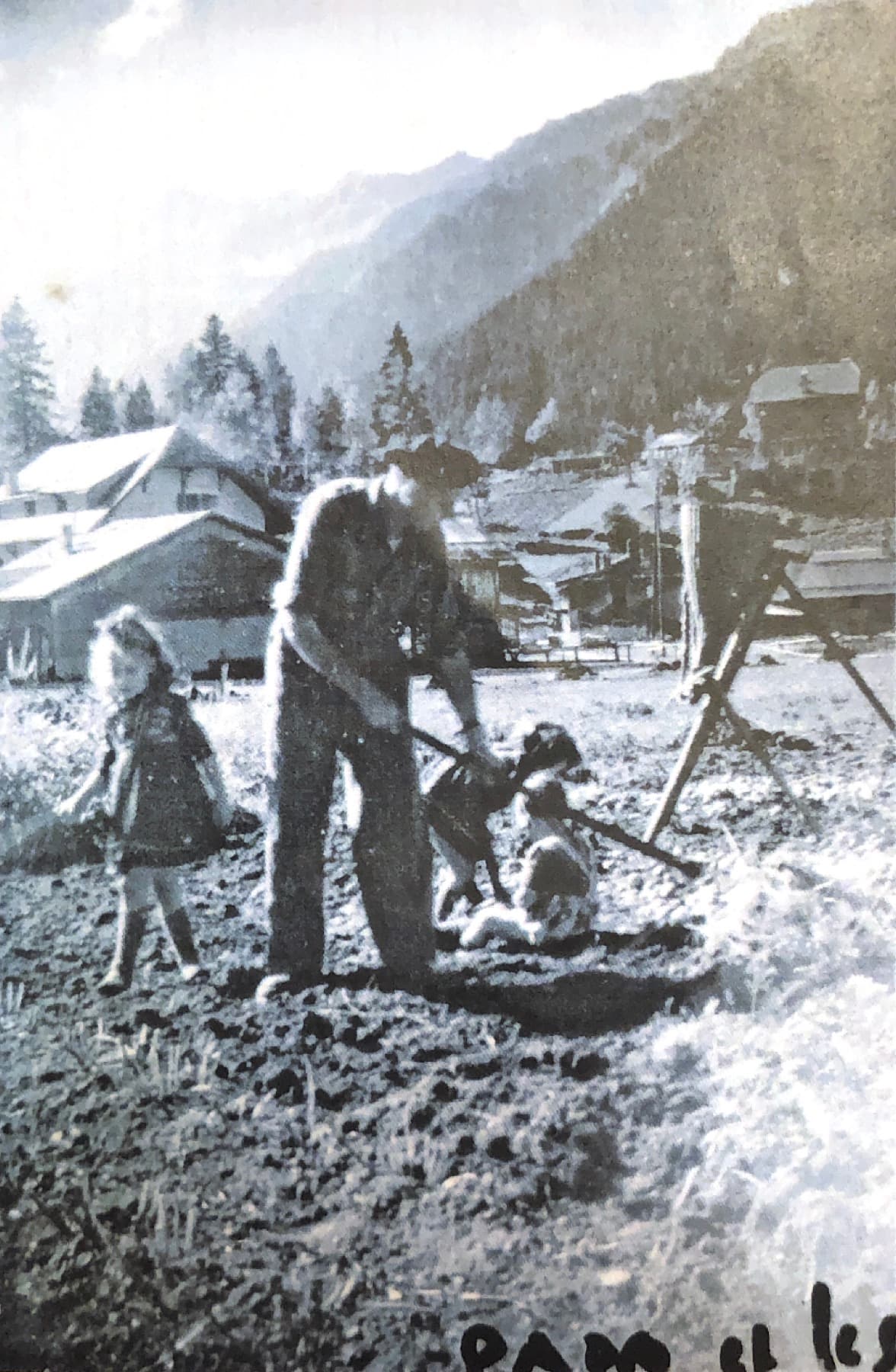
Building the farmhouse
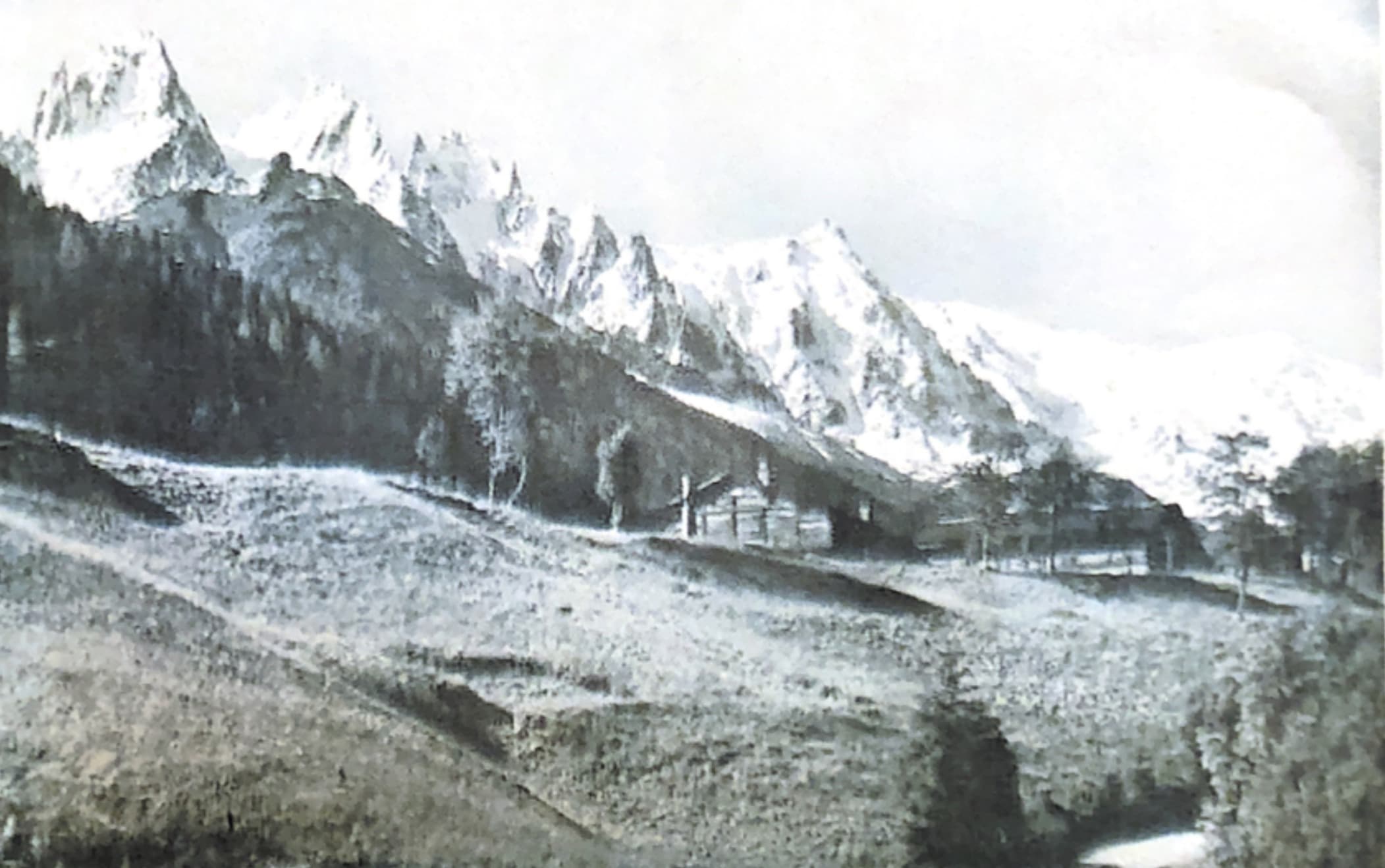
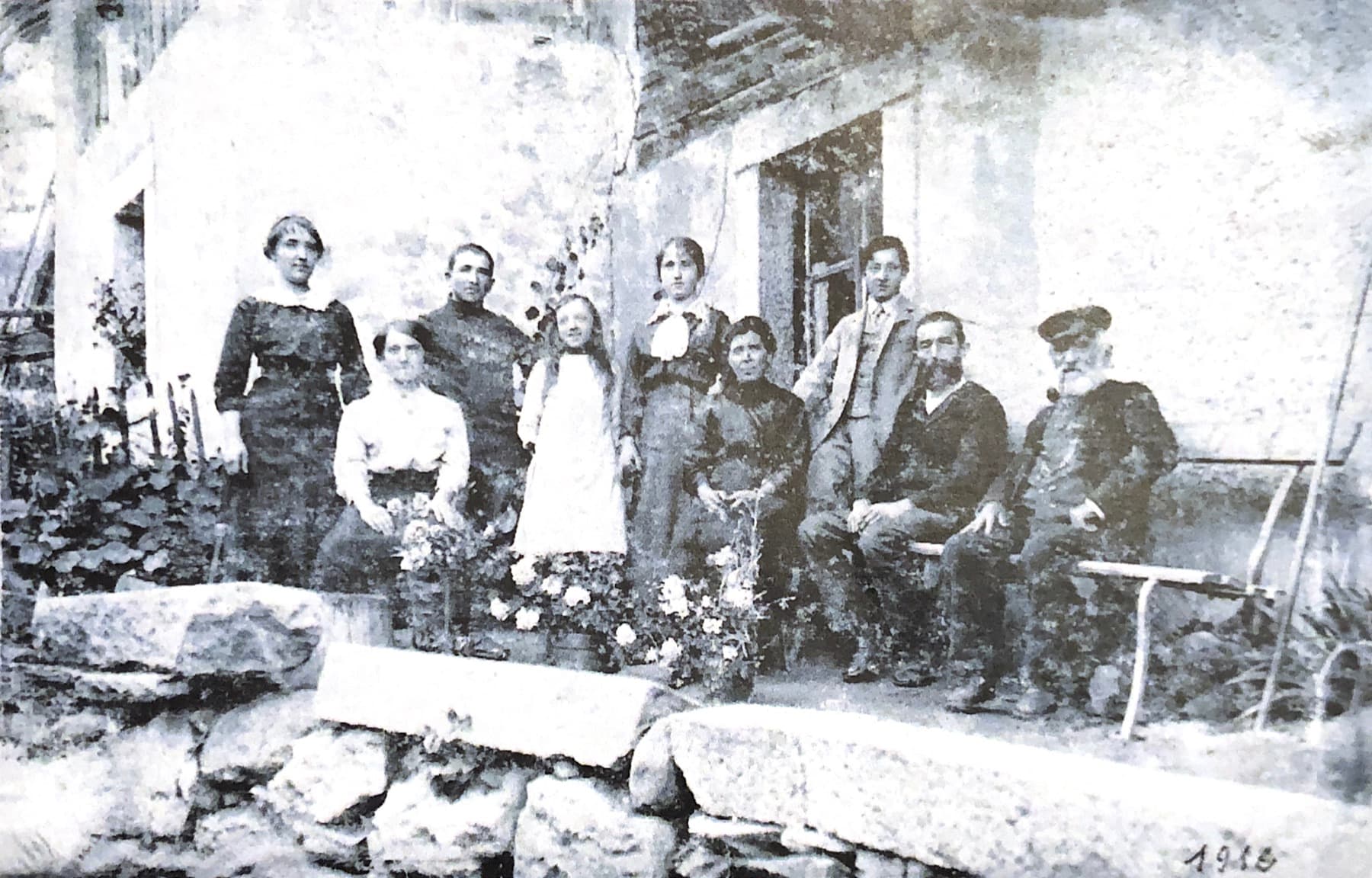
Built in 1803 by Michel Cachat, Le Solerey was originally a farmhouse. The central ground-floor room (the stable) housed livestock. Only one third was habitable, around the kitchen and its large fireplace.
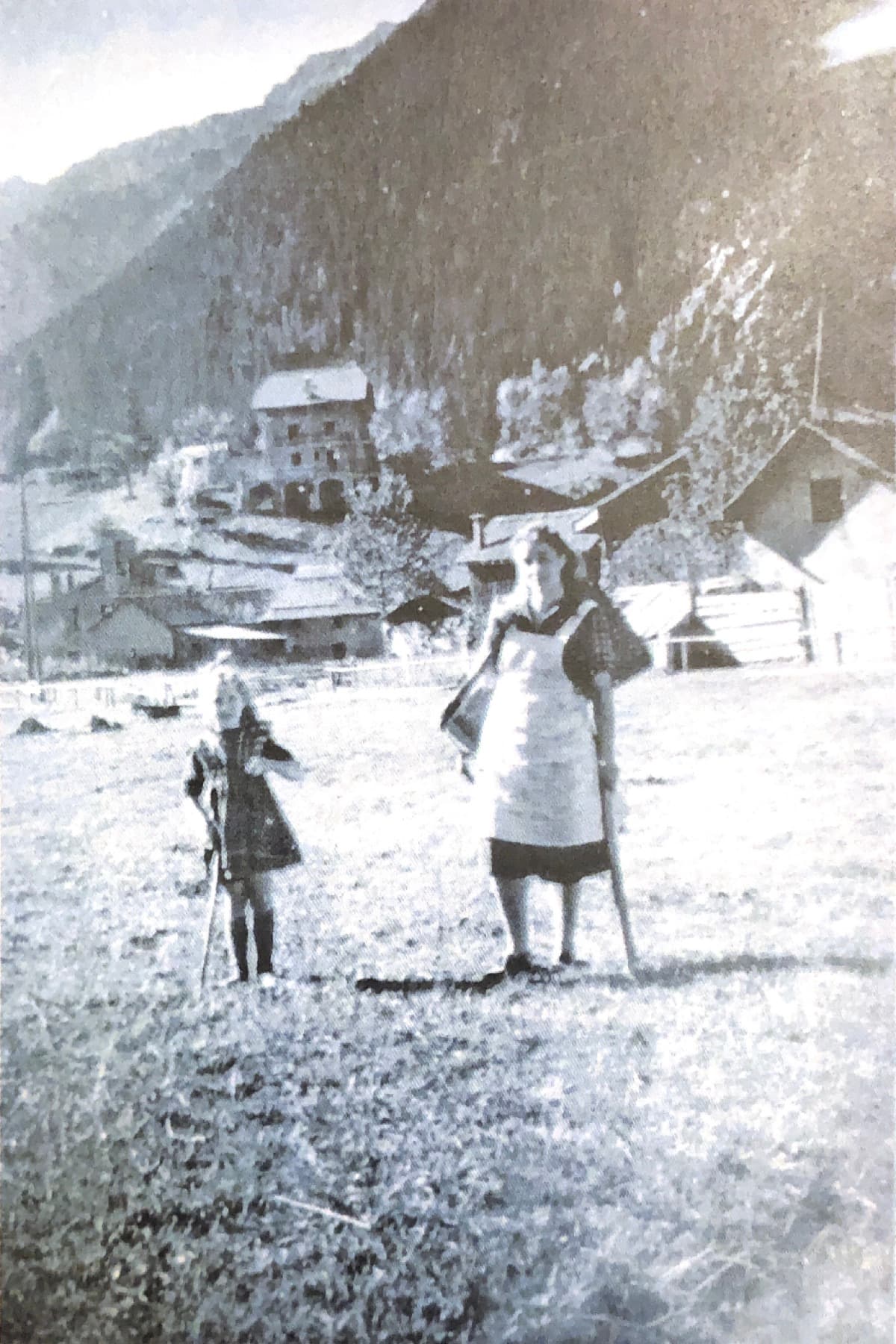
It also contains the living room with its stove, used as both a lounge and bedroom. The upper floor was reserved for hay storage. At that time, the main activities of the five farms in Le Lavancher were livestock farming and growing potatoes as a staple food.
Gathered around the bread oven, they gradually witnessed the growing enthusiasm for the mountains. Le Lavancher was the essential path to reach the Vallée Blanche via Le Chapeau and the Mauvais Pas. This is how Le Solerey came to house the shoemaker of the alpinists.
After 1900
The rise of tourism
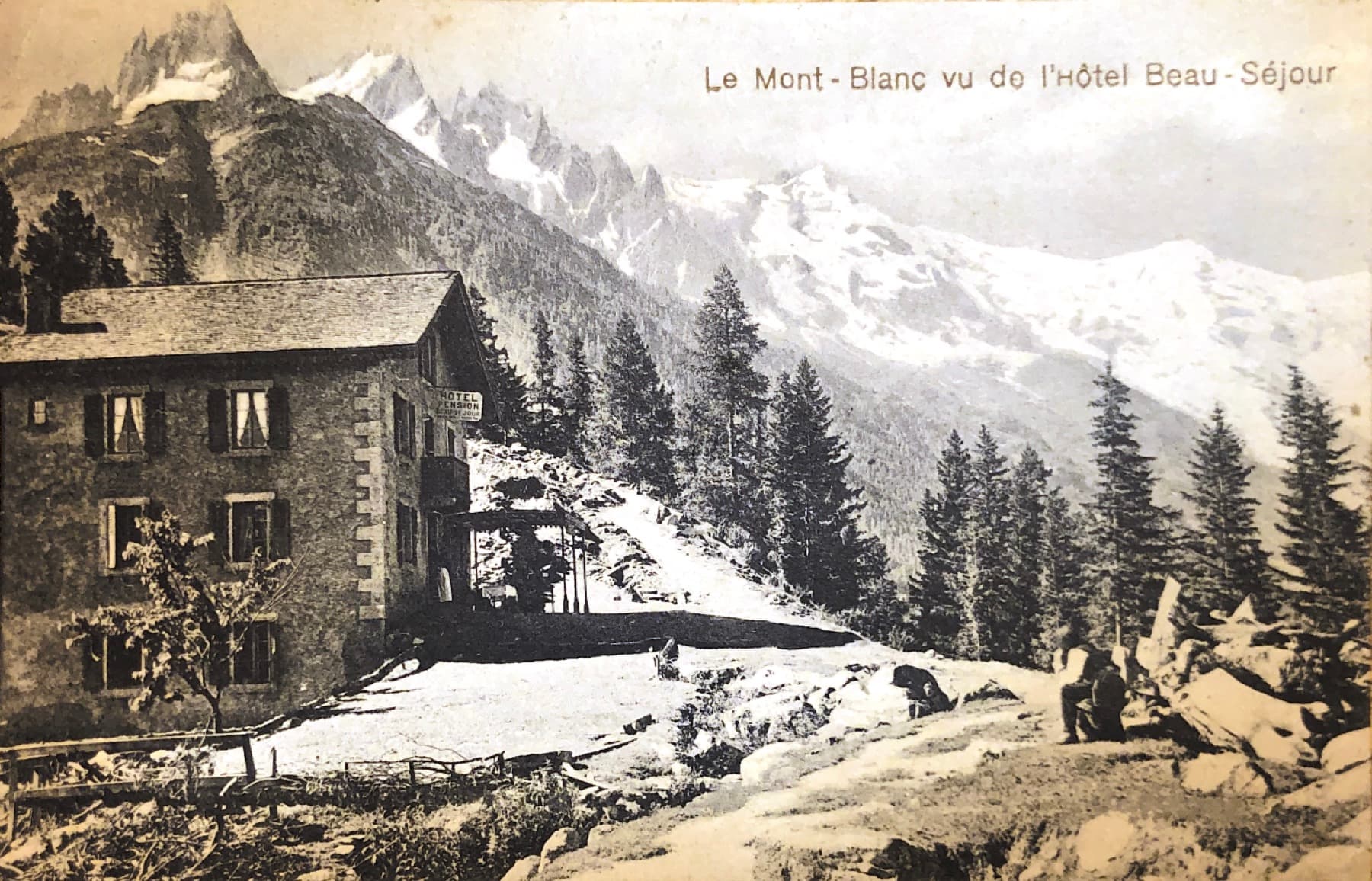
At that time, tourism was in full swing, although the traditional activities of Le Lavancher, focused on field farming, remained unchanged. Hotels such as the Hôtel Beau-Séjour appeared to welcome skiers returning from the Vallée Blanche.
In 1905, Chamonix Mont Blanc experienced a cold record with temperatures dropping to -31 degrees. In 1908, the first section of the Montenvers railway was inaugurated, providing access to the Mer de Glace. The Winter Olympics marked the year 1924.
Your stay
A 400 m² chalet at the foot of Mont-Blanc
Ideally located in Le Lavancher, in the Chamonix-Mont-Blanc valley, Le Solerey offers an exceptional setting for family or group stays. At 1200 m altitude, sunny and overlooking the valley, Le Lavancher offers a stunning view of the needles and the Mont-Blanc massif.
With 9 bedrooms, 4 bathrooms, 3 living rooms with distinct atmospheres, a private sauna and a billiard room, Le Solerey is one of the rare chalets in Chamonix capable of accommodating large groups without compromising individual comfort.
From the chalet, you can quickly reach all the valley's ski resorts: Les Houches, Le Brévent, La Flégère, Les Grands Montets in Argentière, and Le Tour. The Chamonix bus, free with your guest card, serves the entire area.
In winter, Le Solerey is the ideal base for a skiing holiday in Chamonix. In summer, the valley offers exceptional terrain for hiking, mountaineering, mountain biking, paragliding or simply admiring the Mont-Blanc massif.
The village
Why is Le Lavancher unique?
At 1200 m altitude, sunny and overlooking the valley, Le Lavancher offers a breathtaking view of the needles: an ideal spot to escape the hustle of Chamonix. Central point of the three ski areas, crossed by the cross-country ski trail, Le Lavancher is also the starting point for many hikes.